We're in beta! If you find a bug or have feedback, let us know in our

Restoring Our Forests: Finding Rare Disease-Resistant Butternut Trees
Find rare, healthy butternut trees for DNA analysis
In a specific area
- Ongoing through September 30, 2026 at 4:00 AM
More Information
Butternut trees are disappearing from eastern forests. Butternut trees are a naturally rare species that support wildlife, contribute to ecosystem diversity, and have been culturally important for thousands of years. However, populations have declined drastically due to a lethal disease: butternut canker. Most remaining trees are infected, but a small number are still thriving. Finding and studying diseased and disease-resistant trees is critical to restoring them. This important work is crucial for the US Forest Service’s reforestation efforts. That’s why the Morton Arboretum and Purdue University’s Department of Forestry and Natural Resources have partnered with Adventure Scientists to locate remaining butternut trees, assess their health, and collect leaf samples from trees that may hold disease-resistant genetics.
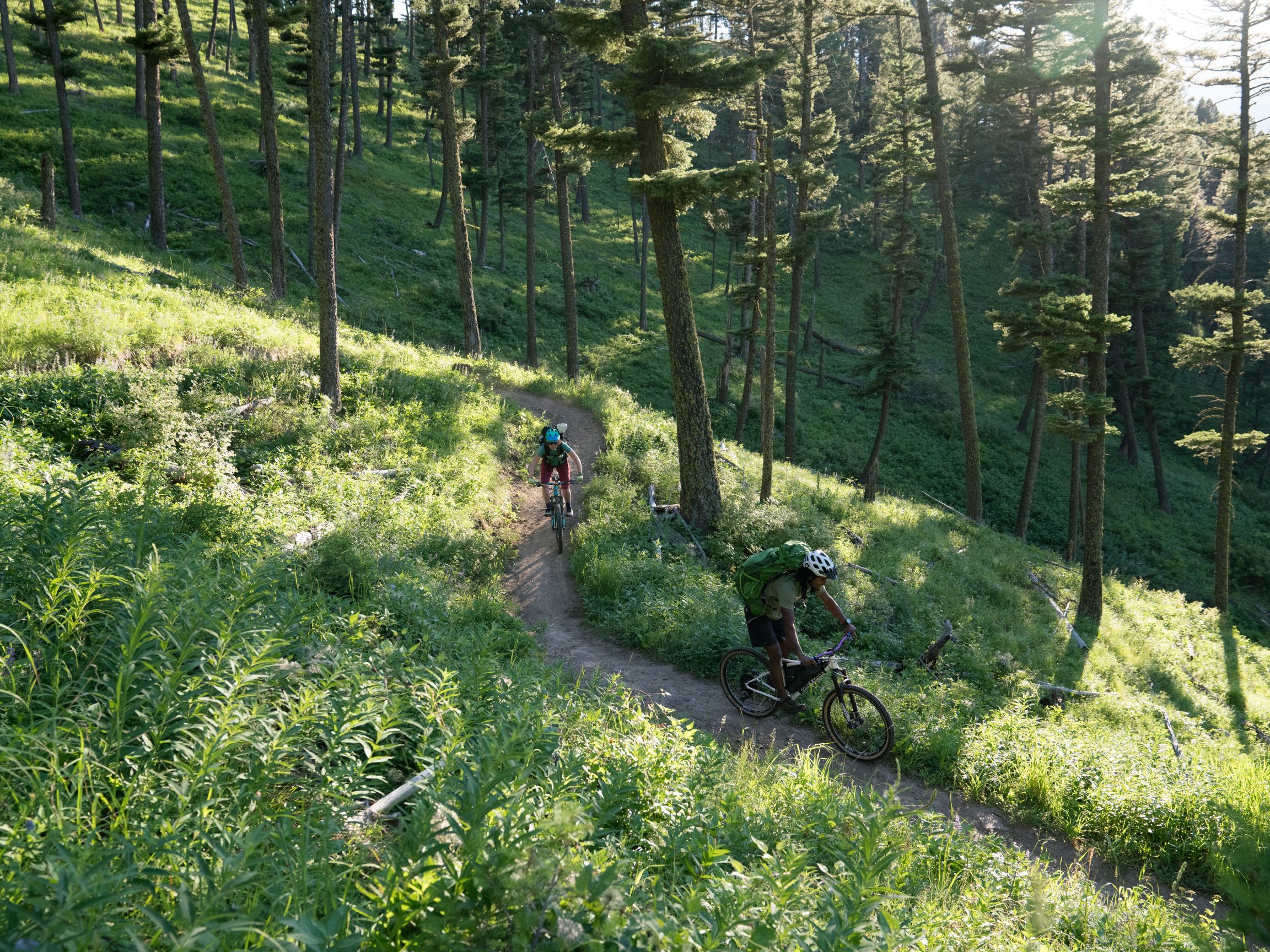
If you love to hike, bike, or explore forests, you can turn your next adventure into meaningful conservation by helping locate rare butternut trees, some of which may hold the genetic key to prosperous forests.
Volunteers are needed across a huge range of forests in the eastern United States, where there are significant gaps in research. Project locations span national forests, state forests and land trusts (over 1000 acres in size) in Alabama, Arkansas, Indiana, Kentucky, Michigan, Missouri, New Hampshire, North Carolina, Ohio, Pennsylvania, Tennessee, Wisconsin, and West Virginia.
Butternut trees grow along streams and rocky hillsides. Once trained, you will receive access to a map with possible butternut tree locations and be able to choose an area you’re comfortable with.
If you’re located in one of the areas, sign-up now! Sampling equipment is limited, and each tree must be found in the summer while leaves are still green.
Sign-up now to make an incredibly large impact for forest conservation.
Ticket Required: No
Minimum Age: 13
Languages: English